Introduction to Landscape Design
Planning a landscape design that enhances your property can significantly increase your home’s value. A well-thought-out design not only adds aesthetic appeal but also maximizes space functionality. You create a cohesive and attractive outdoor space by incorporating elements that suit your home’s architecture and the local environment. If you’re considering a professional touch, services like professional outdoor landscaping St Louis, MO can offer expert guidance to ensure your vision comes to life.
Assessing Your Property
Before diving into design:
- Take a comprehensive look at your property.
- Identify areas that need improvement and ones that can be accentuated.
- Consider the natural topography, existing vegetation, and soil type.
Understanding these elements helps make informed decisions about what features to include and where to place them. For instance, knowing your property’s sun and shade patterns can guide plant selection and placement, ensuring each plant thrives in its designated spot.
Choosing the Right Plants
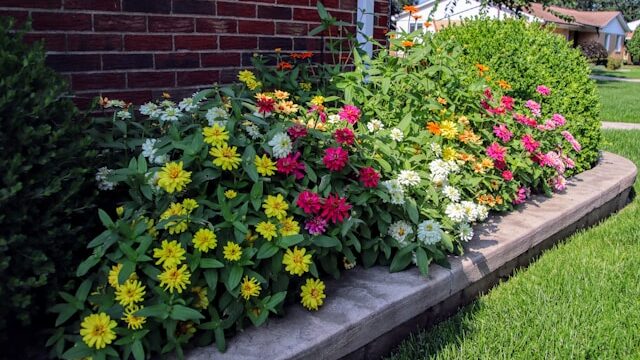
Plant selection is a critical component of landscape design. Choose native plants that are low-maintenance and suited to your area’s environment. They can resist diseases and pests common to the area, so fewer chemical treatments are required. Utilizing native plants can also enhance the quality of the air and water, claims the Environmental Protection Agency. Perennials and annuals can also be combined to provide year-round color and interest, which will make your garden seem good all year round.
Incorporating Hardscaping Elements
Hardscaping features like retaining walls, patios, and walkways give your landscape structure and usefulness. With the help of these elements, you may design distinct outdoor living areas for relaxing, entertaining, and dining. Furthermore, hardscaping elements like brick and stone can raise the value of your home. According to the Department of Energy, adding hardscaping and thoughtfully placing plants can increase energy efficiency by supplying wind and natural shade.
Creating Pathways
In addition to guiding guests through your garden, pathways can shield your plants from harm. Make use of materials that blend in with the architecture of your house to create a seamless connection between outdoor spaces. A well-thought-out walkway design can improve the usability and appeal of your landscape.
Maintaining Your Landscape
Maintaining your landscape’s value and beauty requires regular care. This includes giving your plants the right amount of water, mulching, and pruning. Reducing trash and promoting soil health can be achieved by implementing sustainable techniques like composting. By allocating time for upkeep, you can guarantee that your landscape will be alive and well all year round.
Consulting a Professional
While DIY landscaping can be rewarding, consulting a professional can elevate your design. Experts provide valuable insights into plant selection, design layout, and sustainable practices. Consider hiring professional outdoor landscaping to achieve a polished and cohesive look that enhances your home’s value and curb appeal.