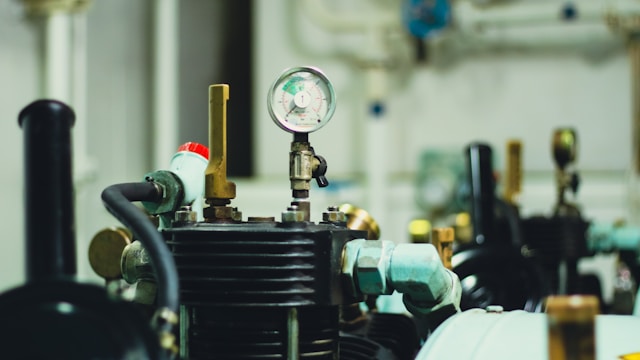
Introduction to Industrial Air Compressors
Industrial air compressors are integral to the operation of many manufacturing and service industries. These robust machines are used to power various tools and equipment by converting mechanical power into potential energy stored in pressurized air. From small workshops to large factories, air compressors come in different sizes and capacities to meet diverse industrial needs. Understanding their fundamental operation and components can help ensure they run smoothly and efficiently. For instance, having a reliable parker hose & fitting inventory Charlotte NC, is crucial for maintaining the seamless functionality of these systems. This inventory helps to ensure that all parts and accessories are available when needed, minimizing downtime in case of component failures.
Importance of Regular Maintenance
Regular maintenance of industrial air compressors is crucial to prevent downtime and extend their lifespan. Neglect can lead to reduced efficiency, increased energy consumption, and catastrophic failures. The EPA states that proper maintenance can significantly reduce energy consumption and operational costs. Inadequate maintenance can cause issues like overheating, pressure fluctuations, and increased wear and tear, reducing compressor efficiency. Regular checks and interventions ensure optimal performance and productivity.
Key Maintenance Tasks
Effective maintenance of industrial air compressors involves a series of essential tasks, each designed to ensure the longevity and efficiency of the equipment:
- Checking and Replacing Filters: Dust and other particles are kept out of the compressor using air filters. Over time, these filters can become clogged, reducing airflow and increasing the risk of overheating. Regular inspection and replacement of filters are crucial.
- Inspecting Hoses for Wear and Tear: Hoses are vital components that transport compressed air. Their continual usage makes them prone to deterioration. Regular inspection helps in detecting cracks, leaks, and other damages early.
- Ensuring Adequate Oil Levels: Lubrication is essential for the smooth operation of the compressor’s moving parts. Regularly checking oil levels and topping up or replacing the oil ensures that components do not suffer from friction-related damage.
- Lubricating Moving Parts: Apart from checking oil levels, it’s important to lubricate other moving parts of the compressor to reduce friction and wear.
- Calibrating Controls: The controls and gauges of the compressor need regular calibration to ensure accurate readings. This helps maintain the proper pressure levels and avoid safety hazards.
Performing these tasks regularly can aid in spotting any problems before they develop into bigger ones, guaranteeing the equipment’s lifetime. Each task contributes to maintaining the efficiency and reliability of the air compressors, ensuring they remain operational with minimal disruptions.
Developing an Effective Maintenance Schedule
Creating a maintenance schedule involves regular inspections and servicing based on the manufacturer’s recommendations and the specific usage of the equipment. Tracking maintenance activities and setting reminders for upcoming tasks are critical for ensuring continuous operation. Here are some tips for developing an effective schedule:
- Document Each Maintenance Task and Its Frequency: Clearly outline each maintenance task, the components involved, and the recommended frequency based on the manufacturer’s guidelines and operational usage.
- Use a Calendar to Track Upcoming Maintenance Activities: A calendar or a maintenance management system can help in planning and tracking maintenance activities. Setting reminders ensures that every task is noticed.
- Review and Modify the Schedule often in Light of Equipment Performance: Regularly evaluating the performance of the compressors and adjusting the maintenance schedule as needed helps in addressing any emerging issues promptly.
A detailed schedule helps consistently maintain the efficiency and reliability of your air compressors. It ensures that all tasks are performed timely, extending the equipment’s operating life and lowering the chance of unplanned malfunctions.
Common Issues and Troubleshooting
Despite regular maintenance, industrial air compressors can still encounter issues that require troubleshooting. Common problems include:
- Oil Leaks: Gaskets or seals that are worn out may cause an oil leak. Identifying and replacing the faulty components early can prevent further damage.
- Excessive Noise: Unusual noises can indicate mechanical issues, such as loose parts, misalignment, or worn bearings. Investigating the source of the noise helps pinpoint the exact problem.
- Reduced Air Pressure: A significant drop in air pressure can result from leaks, blockages, or issues within the compressor unit. Checking the entire system helps identify and resolve the issue.
Troubleshooting these problems often involves examining the compressor’s parts and identifying any abnormalities. Plant engineering highlights that understanding these common issues can help develop better maintenance strategies and reduce downtime. Regular inspections and prompt troubleshooting ensure that the compressors continue to operate efficiently, minimizing interruptions in industrial operations.